
Drinks packages, Wi-Fi, excursions, transport and onboard temptations: here’s what we learned from cruising with MSC as a family of four.
Are There Really So Many Hidden Costs?
People ask whether a cruise becomes much more expensive once you’re onboard. In our experience, not necessarily. The cabin, main dining room, buffet, pools and much of the entertainment are included, and you can have a wonderful holiday without buying every extra. But ships are also very good at tempting you. I should confess that I’m a frequent visitor to onboard shops — and when something is on sale, I somehow convince myself I’ve saved money. A useful talent, if you ask me. For the bigger expenses, though, I prefer to do the maths before travelling.
Drinks Packages: The €7 and €11 Difference
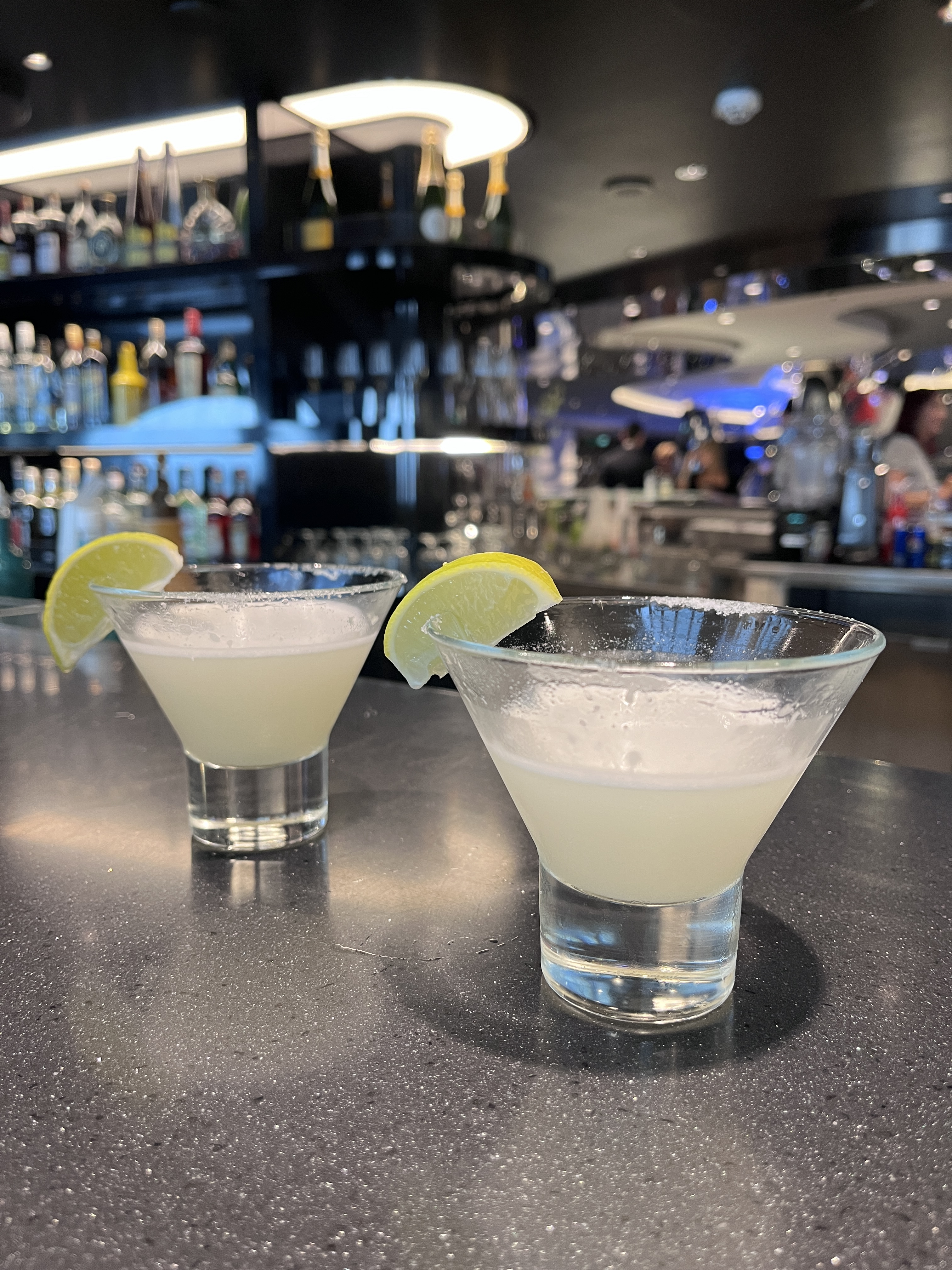
On our earlier MSC cruises, a soft drink could cost around €3–4, while a perfectly good Margarita or glass of wine was often around €7. A more premium wine or a particular whisky might cost closer to €11. And the €7 drinks were good drinks! You don’t have to choose the most expensive thing on the menu to enjoy yourself. Those are prices from our own sailings, not guaranteed current prices.
MSC’s current range includes Easy and Premium Extra, plus non-alcoholic packages. During our previous cruises, if we had a package and wanted a drink above its included price level, we could pay the difference rather than upgrade our whole package. That was very convenient. However, the exact rules for drink-price limits and paying a supplement have changed across package versions, so check the current terms for your own sailing rather than assuming our old €7/€11 example is today’s threshold.
One very important rule: the applicable newer MSC alcoholic drinks packages have a limit of 15 alcoholic drinks per adult per day. This means 15 alcoholic drinks, not 15 drinks in total. Eligible water, soft drinks and other non-alcoholic drinks do not use up those 15 alcoholic drinks. If you’re comparing packages, don’t miss this detail.
But does your family need an alcoholic package? Do the calculation. Two adults having one €7 glass of wine each evening for seven nights would spend 2 × €7 × 7 = €98. If that’s the extent of their alcohol consumption, paying for those glasses separately may be far cheaper than buying alcoholic packages. We’ve met passengers who chose a soft-drinks package and paid separately for the occasional wine. One catch: MSC generally requires adults sharing a cabin to select the same drinks package, with separate rules for children. Check the booking conditions before planning different packages for the adults.


Ice Cream, Restaurants and Gaming: What Costs Extra?
You won’t go hungry without paying extra. The buffet and main dining rooms offer plenty of food, but ice cream, pancakes, chocolate cafés and speciality restaurants can be charged separately. On our previous cruises, ice cream started at around €4.50. On MSC Grandiosa we saw an all-you-can-eat Mexican restaurant offer for approximately €17 per person. Always check the menu before sitting down, and ask whether drinks are included: during our visit to that speciality restaurant, drinks were charged separately despite our package.
Depending on the ship, F1 simulators, arcade games, bowling and VR activities can also cost extra. If the children will use them often, look into a Fun Pass before sailing; an advance offer can be better value than paying for every game onboard. But MSC children’s clubs themselves are free. Regular kids’ clubs and their included activities are separate from paid gaming attractions. You do not need to buy a Fun Pass just to use the children’s club. That distinction matters enormously to families.
Spa treatments, massages, beauty services and some thermal facilities are another optional expense. You can check prices in the MSC for Me app or at the spa desk. When I want to save money, a whirlpool in the public pool area — where included — can be a lovely alternative. Not exactly a professional massage, but relaxing and free.
Wi-Fi, Saily and the MSC for Me Age Limit
Once the ship is out at sea, a phone can connect to an expensive maritime mobile network. We switch off data roaming or use airplane mode when boarding, then use the ship’s Wi-Fi if needed. MSC offers different packages for messaging, browsing or streaming and for different numbers of devices. Compare advance prices before departure.
We usually bought Wi-Fi for two devices: one for me and one for a child, so we could stay in contact while the children explored the ship independently. MSC for Me’s free onboard chat is available only to guests aged 16 and over. If your child is younger than 16, don’t assume that chat will work for them. Plan another way to communicate before sailing. The Wi-Fi also helped when I needed to answer an urgent work email — less glamorous than a sunset on the balcony, but real life sometimes follows you onboard.
On land, EU residents can generally use their home mobile plans on eligible terrestrial EU networks, subject to fair-use terms. Travellers arriving from the US, Canada or other countries may find an eSIM such as Saily convenient for visiting several European countries without swapping physical SIM cards. Check phone compatibility, plan coverage and costs. A regular European land eSIM does not automatically give you internet at sea; cruise-specific connectivity is a separate product and needs its own coverage check.
Before Booking an Excursion, Ask Whether You Need One
Shore excursions can become expensive when you’re paying for four. But the first question shouldn’t be ‘MSC or independent tour?’ It should be ‘Do we need an excursion at this port at all?’ Some destinations are wonderful to explore on foot: a walk through the old town, a café, a market and time to wander without a schedule can be enough. We don’t buy a guided tour just because we’re on a cruise.
If you do want a tour, decide what you want to see and then compare options. MSC excursions offer convenience and coordination with the cruise line, particularly when travelling far from the port, although third-party operators may run the tours and delays are still possible. Independent operators can offer excellent routes for less, but you must check reviews, travel times and return arrangements carefully. A ship normally won’t wait for passengers who are late returning from an independent trip. If you choose MSC, book ahead: we’ve seen sold-out notices at the excursion desk before arriving in port.
The Forgotten Expense: Getting From the Ship to the City
A ship arriving in a city doesn’t always mean you can walk into the centre. In some ports you can step off and explore immediately; in others you’re docked inside a huge commercial area where walking may be restricted. Check the exact terminal for each stop, whether pedestrians can leave the port, and whether there’s a free or paid port shuttle, a public bus, a taxi or an MSC transfer. If planning sounds complicated, an MSC transfer may be the most convenient choice — but it can cost more than local transport.
Barcelona is a good example. Ships at Moll Adossat are some distance from the centre, but the port’s Cruise Bus (T3 Portbus) connects the cruise terminals with the area near the Columbus Monument, from where you can walk towards La Rambla or connect to other transport. The Port of Barcelona has listed fares of €3.50 one way or €5 return; check the current fare, terminal and service before travelling. That can be much cheaper than automatically buying a cruise-line transfer. The same research is worth doing for every port, and remember to plan the return journey with plenty of time.


Tips and Service Charges: Do You Need to Pay Again?
On our MSC cruises, the applicable Hotel Service Charge was included in the booking price, so we did not need to tip cabin attendants, waiters or other crew separately. Check your booking’s final price breakdown, as the way the charge is shown can depend on the market and booking conditions. MSC does not recommend additional individual tipping. I’ve heard travellers claim extra cash tips lead to better service, but we haven’t found any reason to pay extra to get good service. If you genuinely want to thank someone, ask about the ship’s policy — don’t assume extra tips are expected or will buy special treatment.
What Would We Actually Pay Extra For?
For our family, drinks and Wi-Fi are usually the first extras we consider, because convenience and being able to contact the children matter to us. Everything else is a choice. We don’t need a speciality restaurant every night, a paid attraction every afternoon or an excursion in every port. Compare the package with what you’d really drink, remember that kids’ clubs are free, research port shuttles before paying for transfers, and ask whether an excursion is even necessary. That leaves more money for the experiences that really matter — and perhaps one little bargain in the onboard shops.
For more of our experience, read MSC Virtuosa: Pools, Shows and Entertainment, our cruise value guide and our cabin comparison.
Historical prices are from our own sailings. Current drinks packages, service charges, port transport and Wi-Fi conditions can vary; verify your specific booking before travelling.